My approach to garden design combines a sensitivity of listening to my clients wants, needs and concerns, along with intimately observing and connecting with the site and wider environment in which the design sits. Gaining clarity about what you, the client, is looking for, limited by and open to, is of the upmost importance. Along with questions I ask to this end, I will of course bring in new options and ideas to help us to envision the best garden possible, where this is appropriate.
Designing and building a new garden is a close collaboration, between the clients hope, dreams and expectations and my own skills, experience, learning and inspiration. This is, crucially, mediated by solid communication between myself and client(s) before, during and after the project.
It is important to me to deliver a garden that you love, that you can afford, and that you feel empowered to look after, whether this is to be done by you or a maintenance contractor such as ourselves.
Please have a look at some of our previous work in the Design & Build section above.
I am a graduate of the British Academy of Garden Design where I achieved a distinction in a postgraduate diploma in Garden Design (level 4).
I’d be happy to arrange a visit to discuss your ideas and requirements.
The Garden Design Process
The garden design process consists of the stage below. In many cases, I will condense the concept and master plan stages, if I feel that I have sufficient clarity about the design brief. For example, I will often include the concept stage as part of the consultation by creating a sketch with the client, as I believe this helps us to focus in on the ideas for the design, together at the outset.
1) Consultation
This is our initial discussions and agreements around the scope of the project. I invite clients to find some photos and information about any features or themes you are considering for the garden. This is an opportunity to get clear about the broad strokes of the garden such as where you will sit, what structures and surfaces you would like, how much planting, what colour schemes or styles you would like, including where and of what type of plants and if any screening or trees are called for in the garden. I will listen to your ideas and preferences and give recommendations so we can start to envision the new garden.
2) Garden and site assessment
I will take observations, photos, measurements and conduct a soil examination. This includes what features and planting you want to retain and what you want to replace. The position of any overhead cables and underground services to be identified if relevant, along with the presence of any wildlife habitats, especially endangered species.
3) Concept drawings
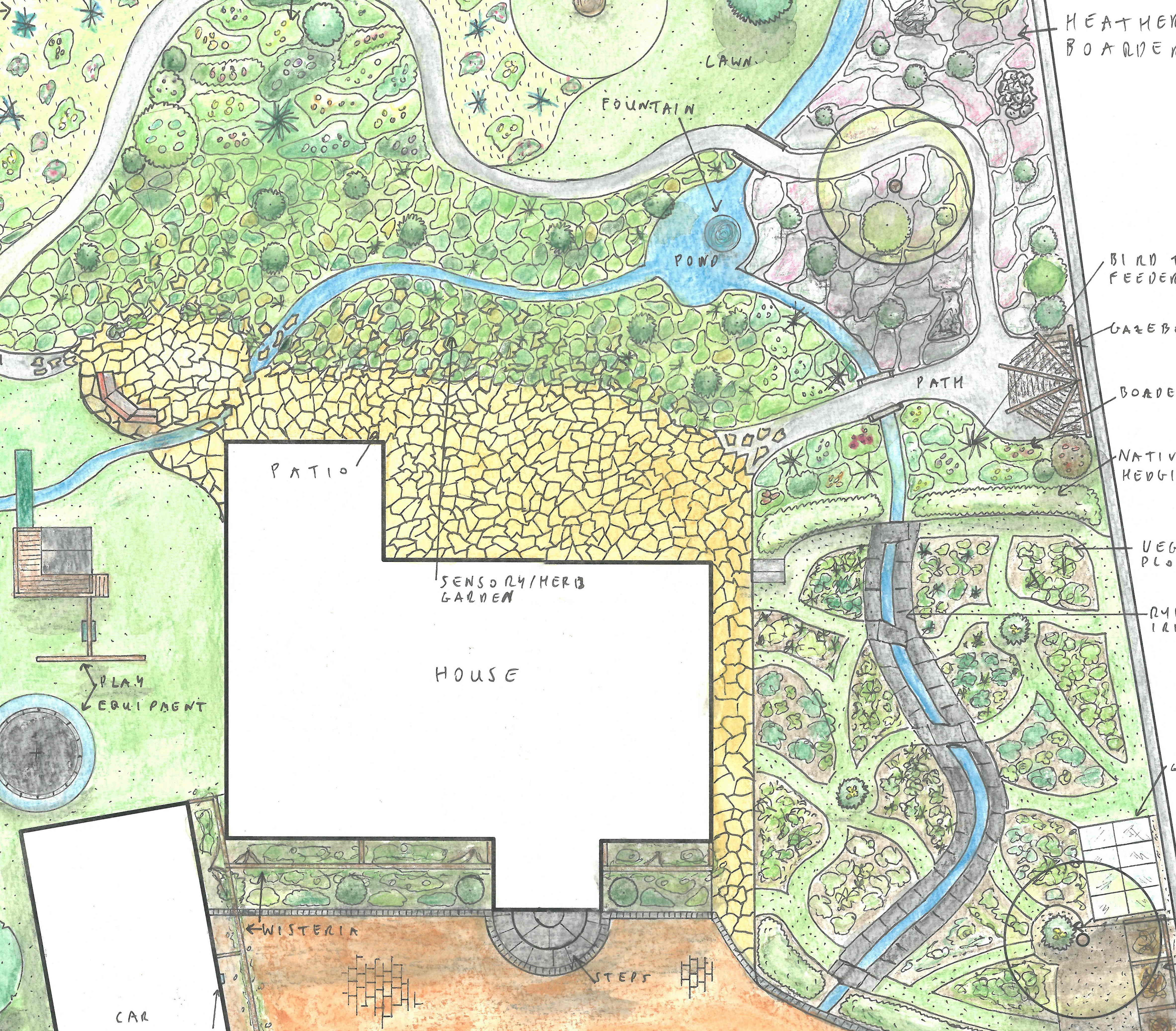
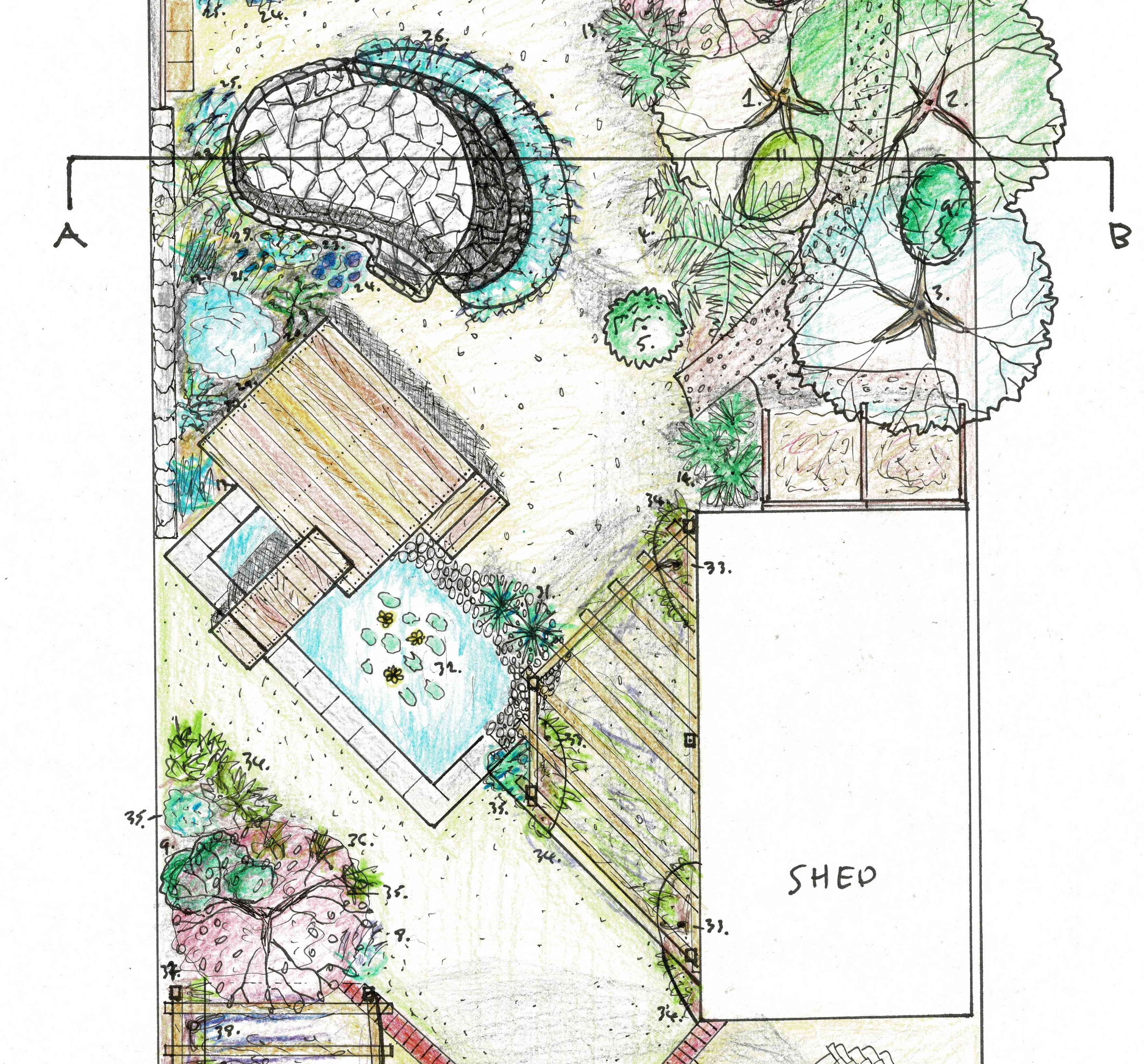
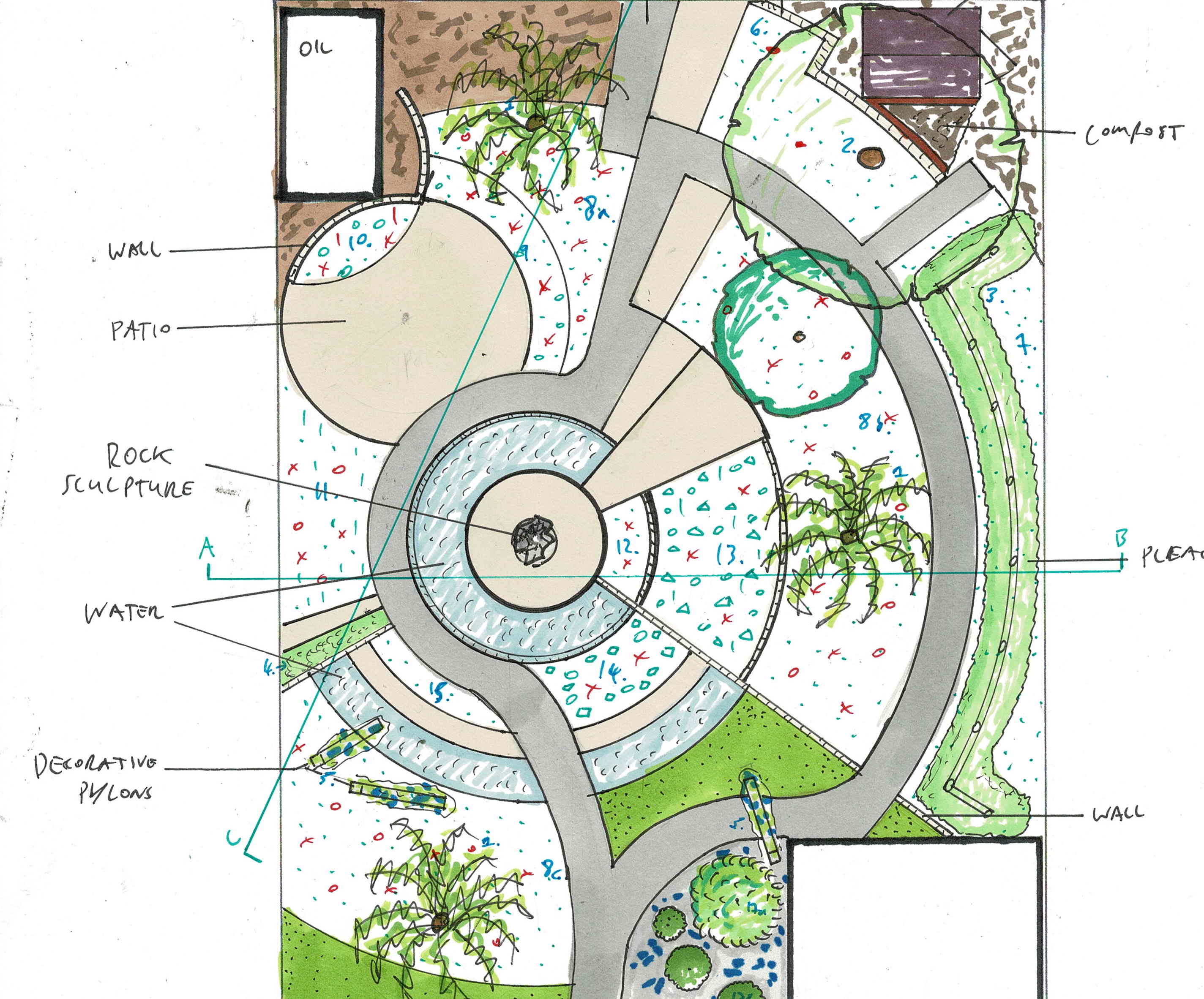
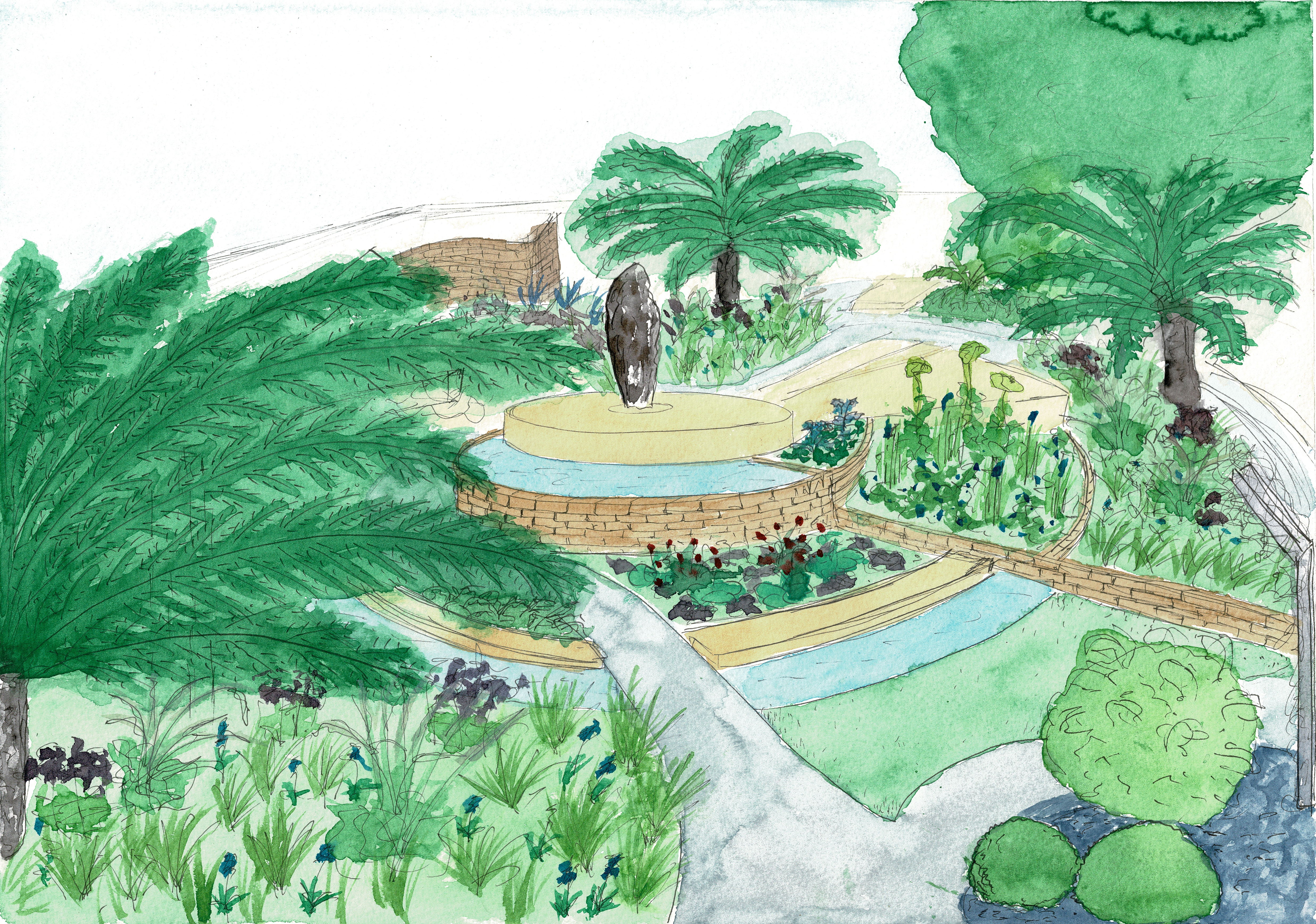
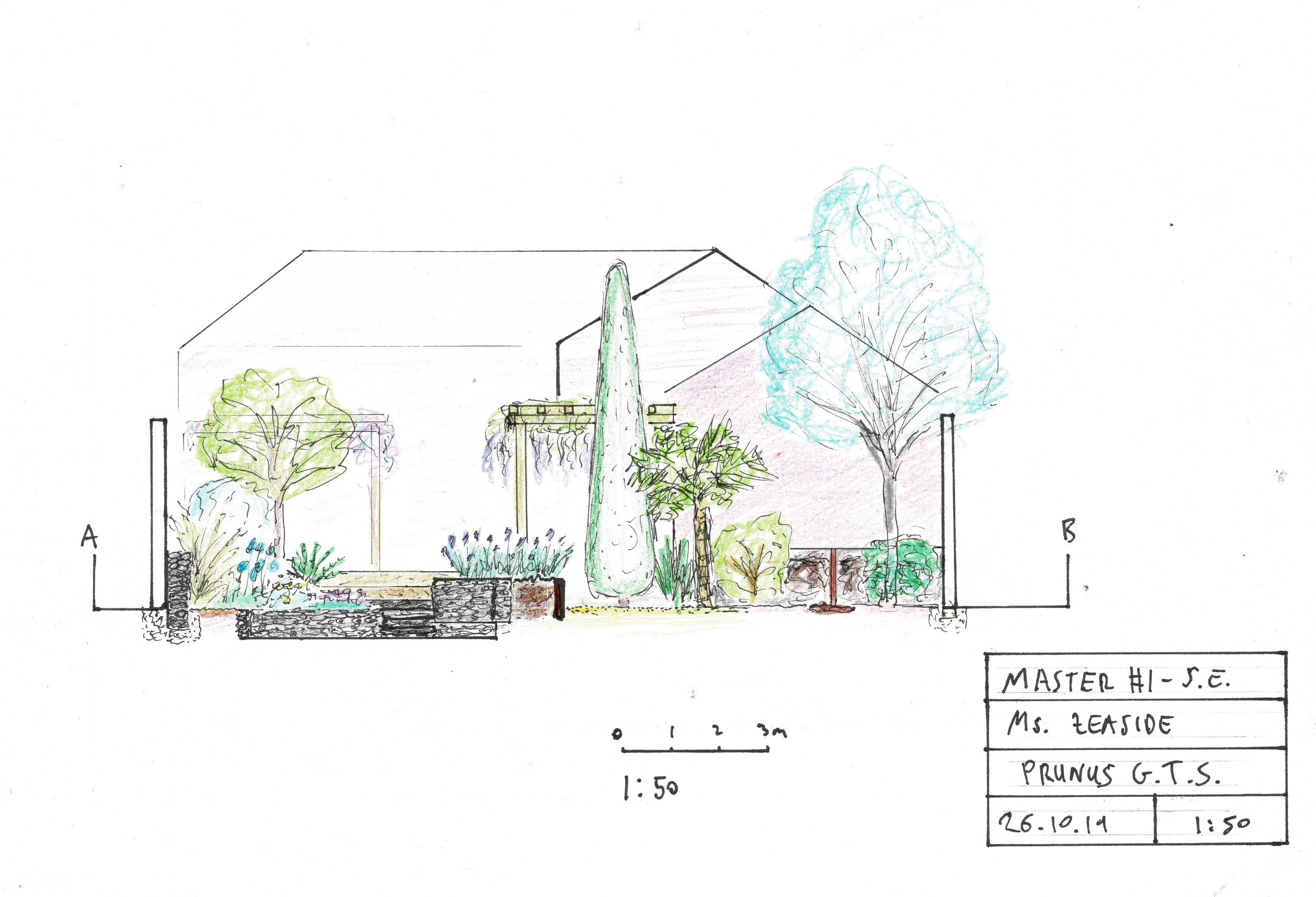
This can range from simple sketches to full colour drawings. Concept plans have less detail than a master plan/final design and show themes/styles and locations of paths, borders, planting and other features. Several concept drawings or sketches can be produced to give different design options. A mood board of photographs can be included in this stage along with plan view (top down) and section elevation drawings (which is a side view cross section with depth information in one direction).
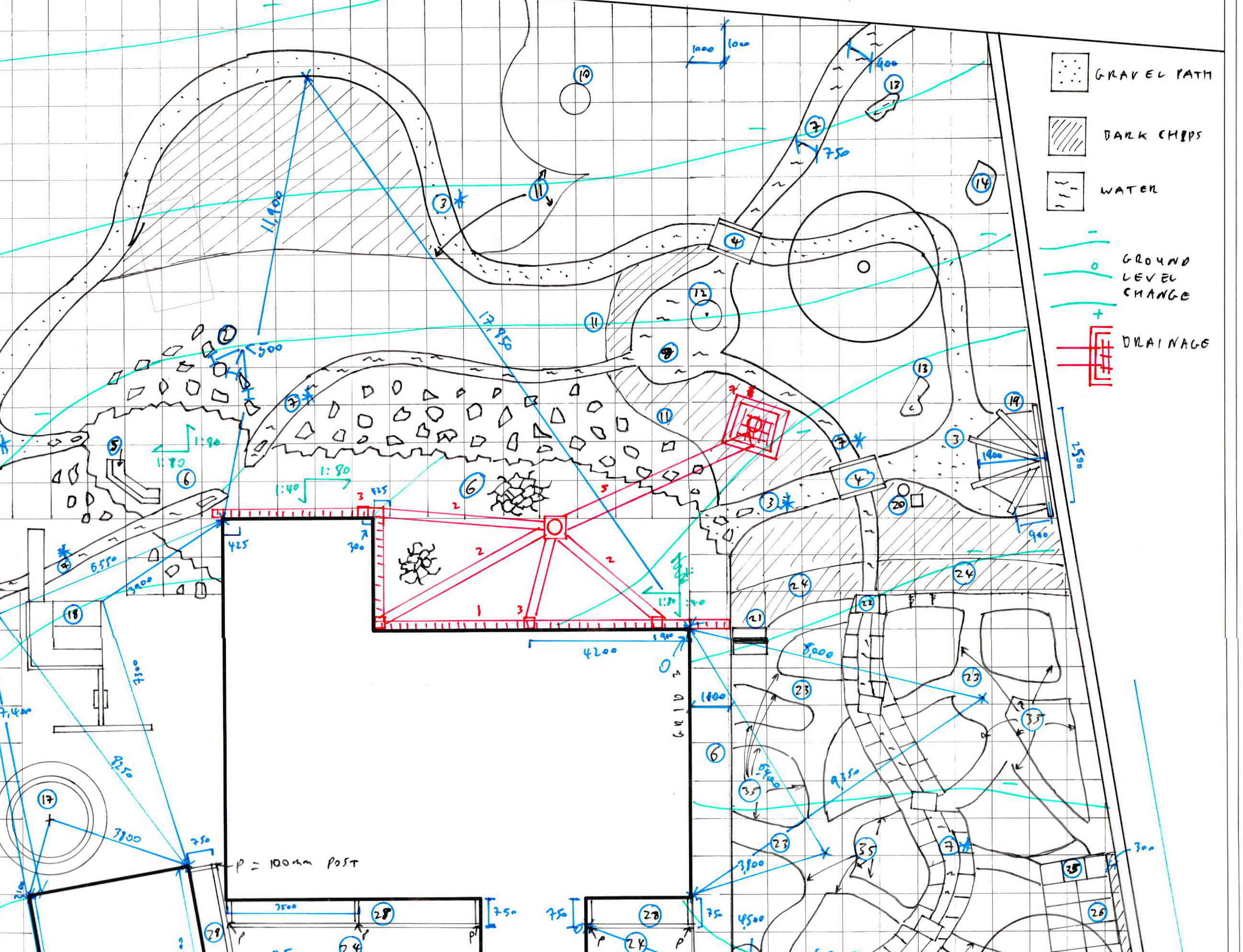
4) Master plan – final design stage
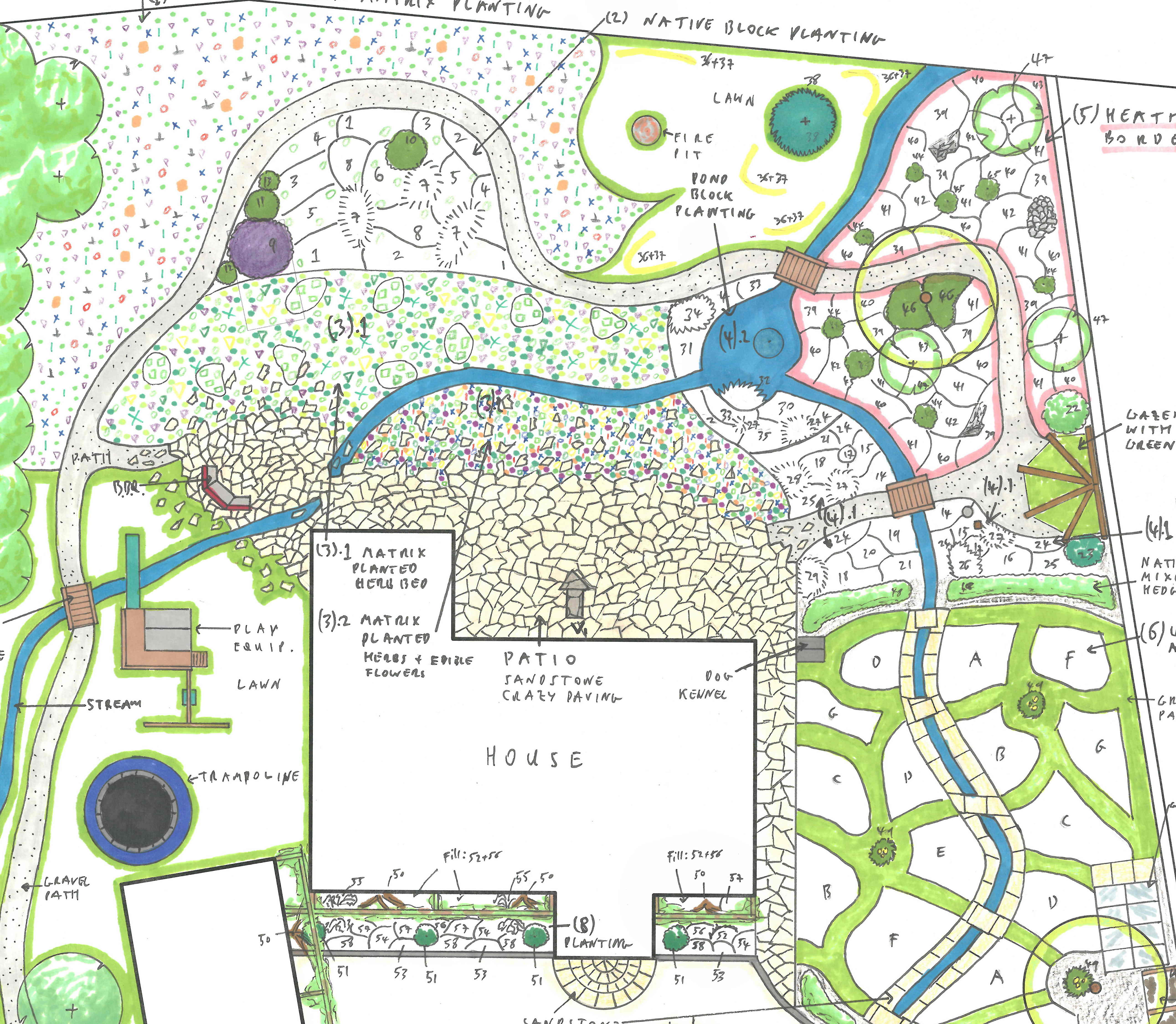
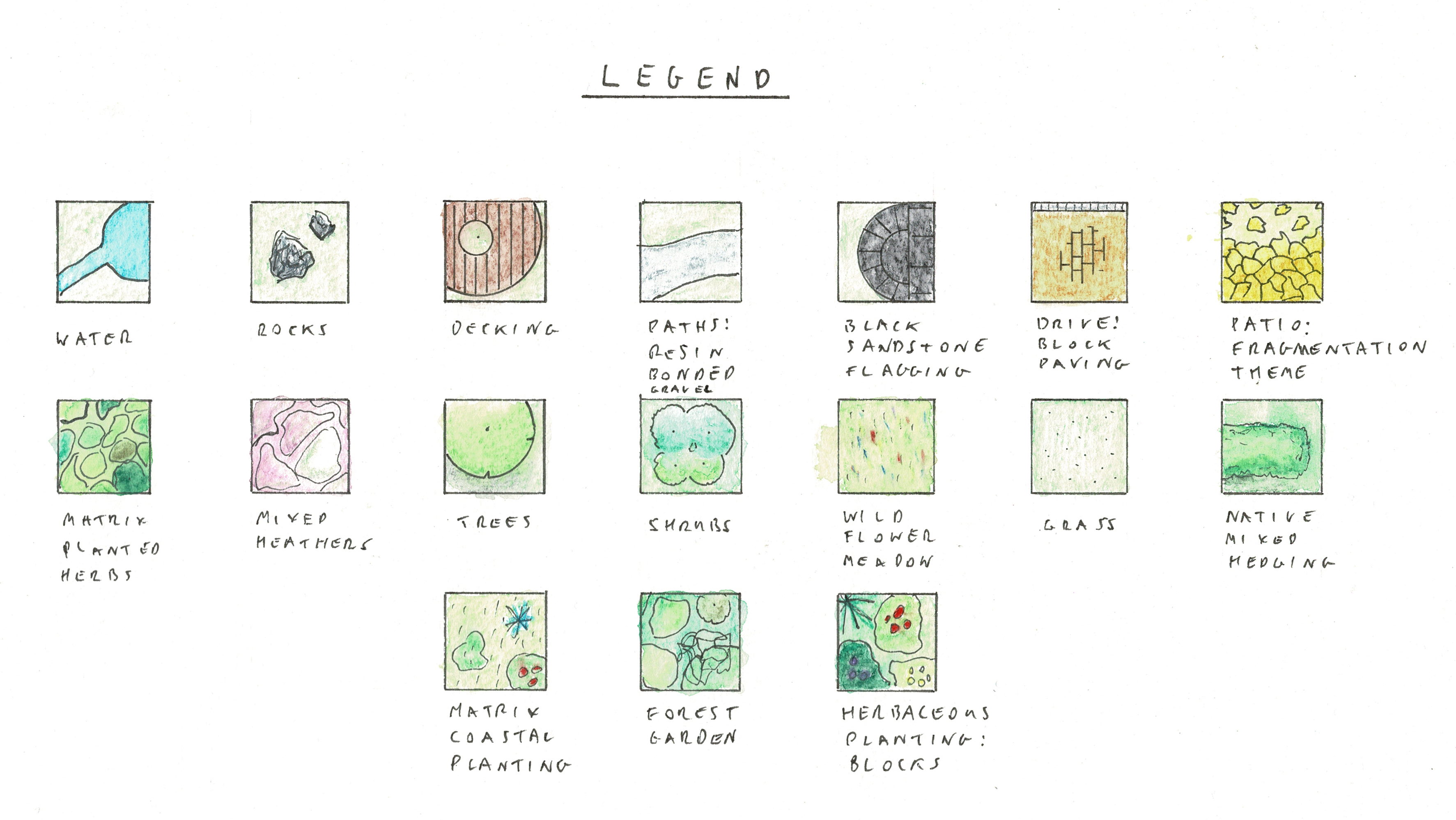
This is where the design is fleshed out into a detailed plan with enough information to build and plant the garden. This includes specific details on hard landscaping features and materials and specific planting plans:
The master plan, consists of a plan view and section elevation drawing(s), and may include visualisations of the garden, which are sketches/drawings of how the garden will look on completion and establishment.
Additionally, constructions drawings give specific and technical information required to build the garden such as measurements, specifications and material types and manufacturers.
The planting plan is specific locations and cultivars/varieties of the plants selected in the design. An accompanying plant schedule gives number, price and size of pot/plant.
5) Implementation – build stage
Here estimates are given and the work of building the garden from the plans can begin.
A date for the build is agreed upon, along with other constraints such as water/power, material and tool storage and access which may influence the work.
At the start of the build phase I ask for the material costs upfront. For a smaller project I will invoice on the completion of a week’s work, for larger projects a staged payment plan is put forward. For example, this might be split into four payments with the first payment requested upfront for materials. Dates and amounts will be given at the outset and any differences from the estimate to the final cost of the project will be discussed on an ongoing basis, and will be adjusted in the final payment.
 Prunus Garden and Tree Services